For Rhino & Grasshopper
Structural analysis for Grasshopper
Stereom is simulation software combined with implicit modelling. It analyses implicit geometry directly, without heavy meshing. A free, GPU-accelerated solver.
Not yet available to download. Sign up and we will email you at release.

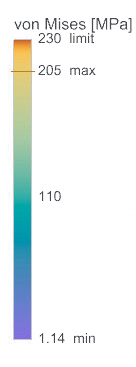
The workflow
Implicit, end to end
Start from a Grasshopper template, or build your own from implicit generation. Breps and meshes from other CAD convert in, and edit with implicit tools.
Mesh only at the end, once a solution is found.
Setup
Common inputs
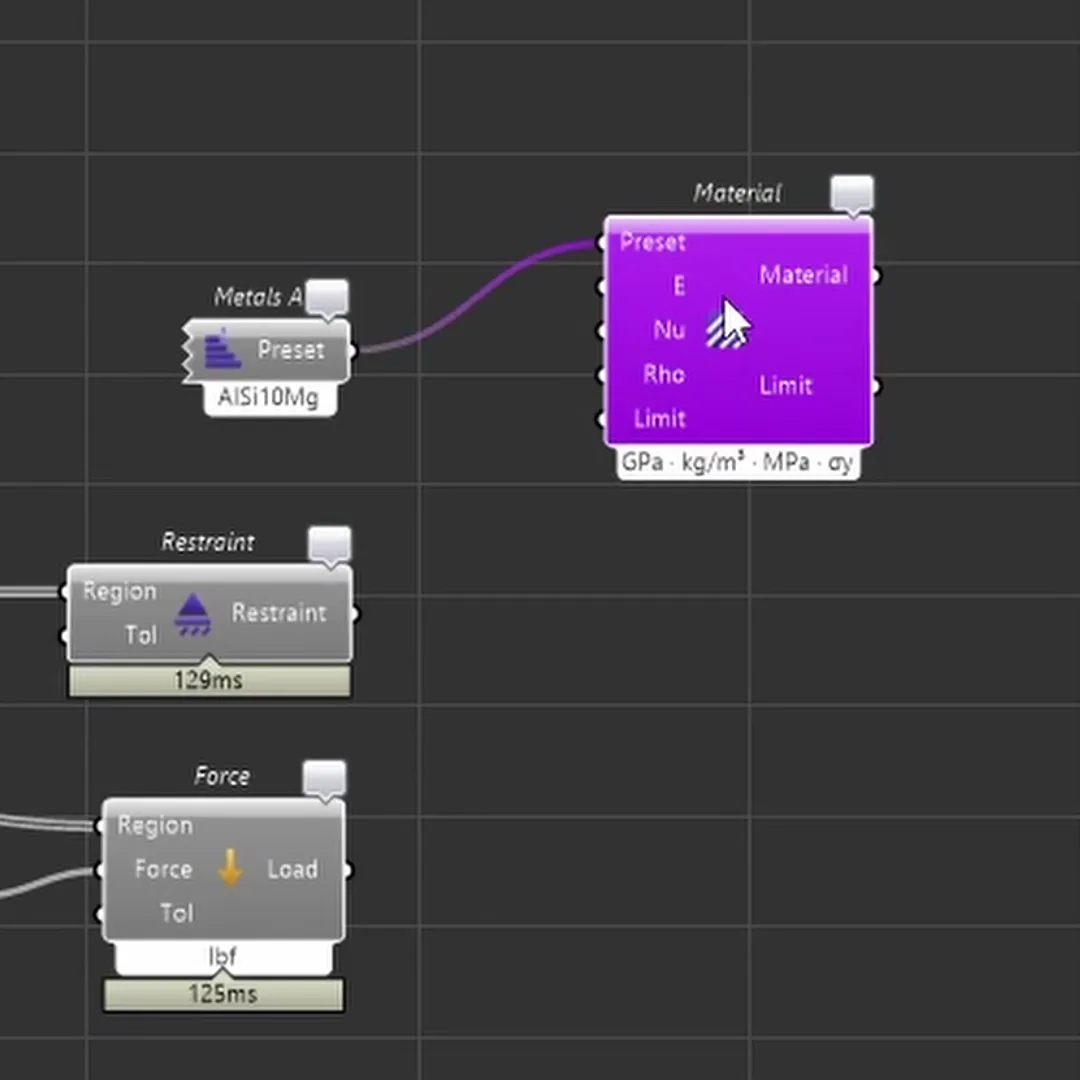
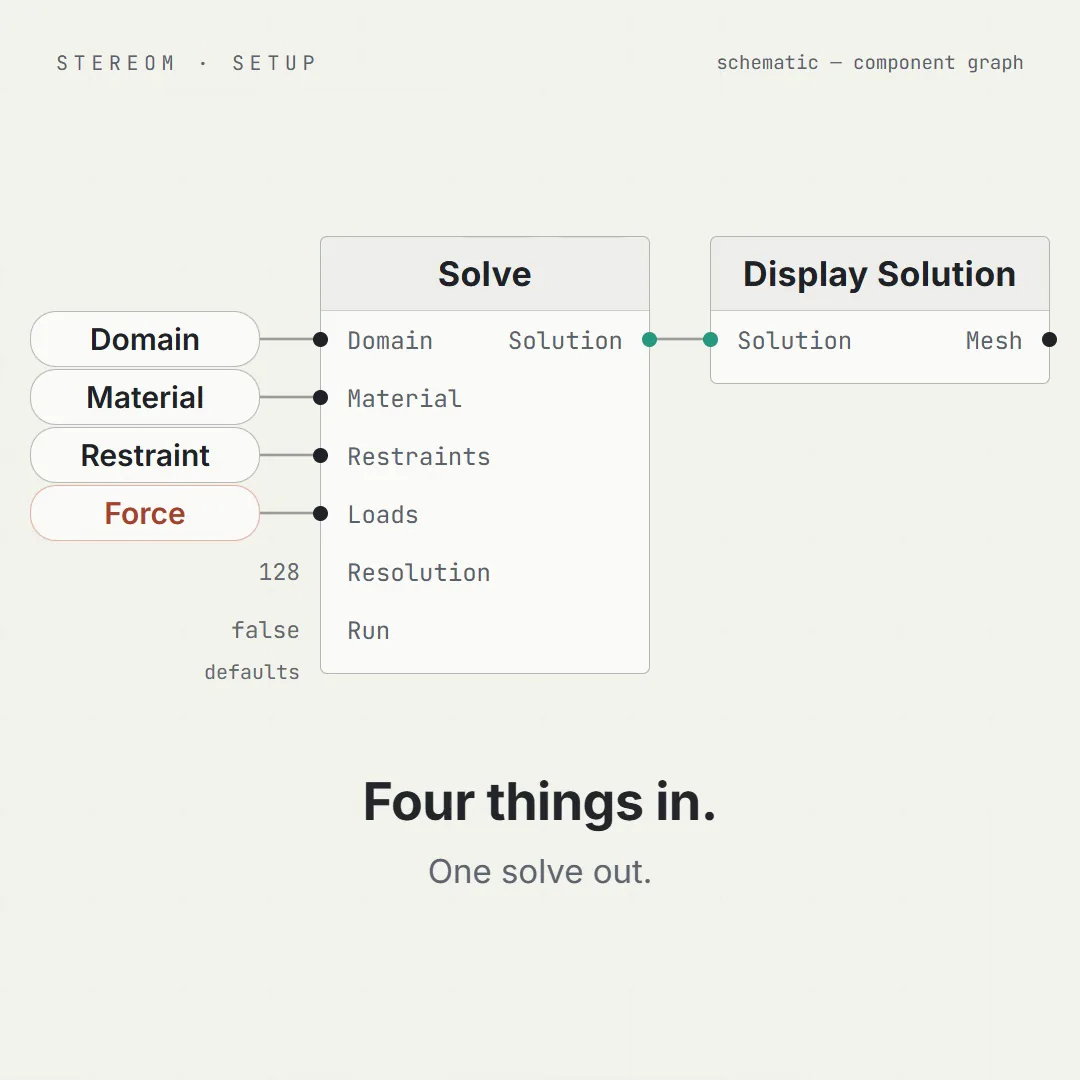
Four components define the problem. Material presets ship pre-loaded, including alloys used in additive manufacturing.
- Domain
- The geometry to solve on.
- Restraint
- The regions held in place.
- Force
- The load, and where it lands.
- Material
- A preset, or your own stiffness and density.
Grading
Field-graded lattices
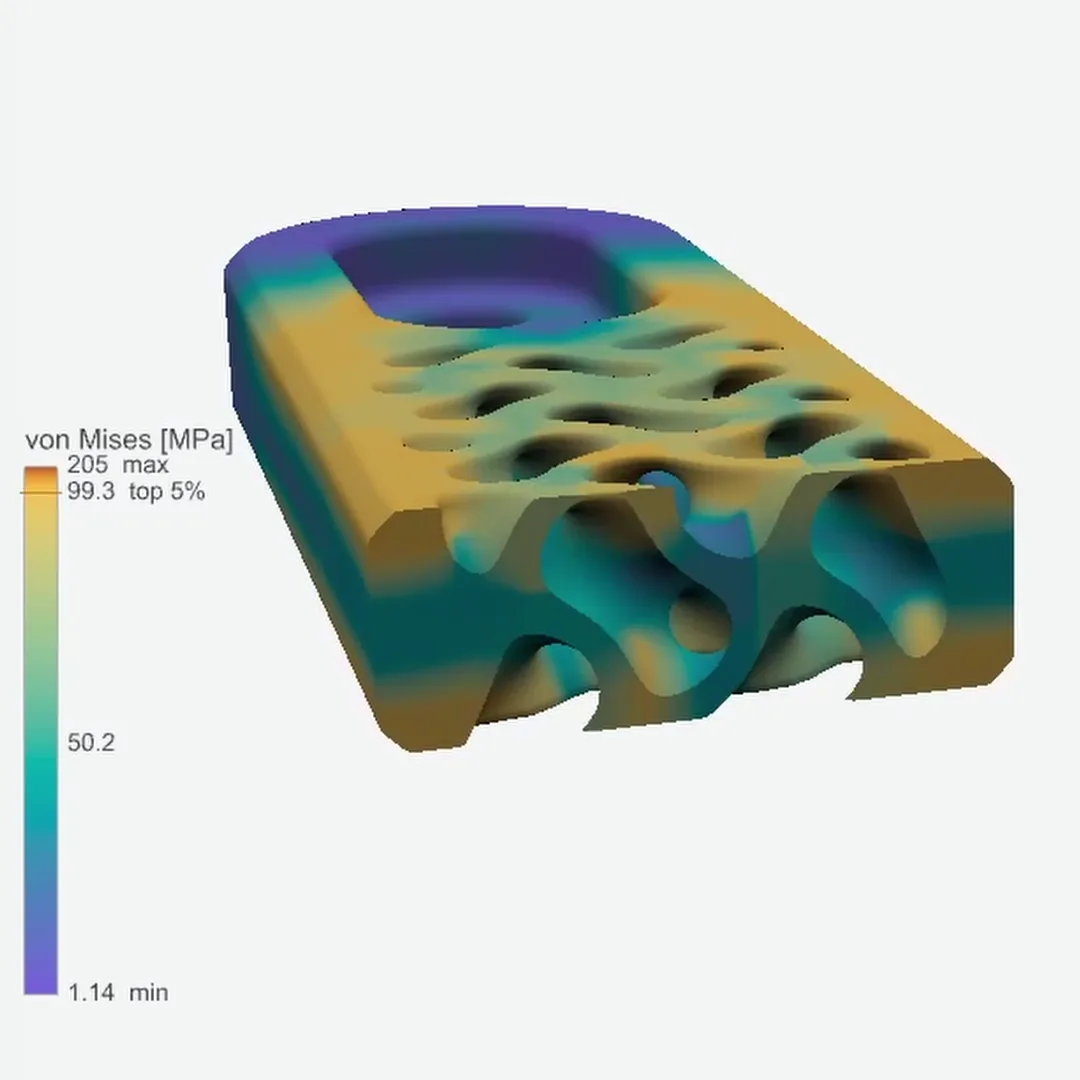
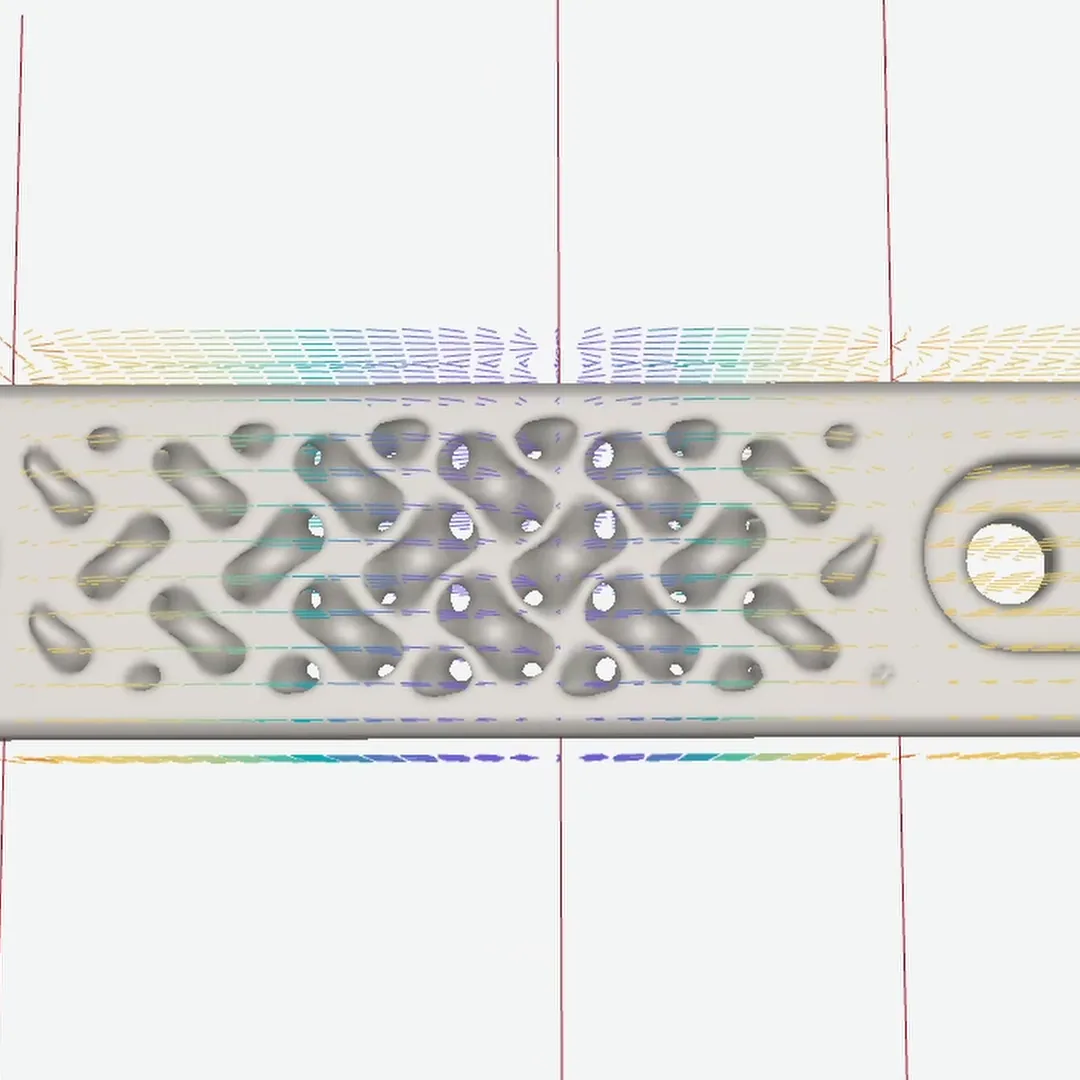
Use Isopod’s implicit toolset to design optimised structures, then simulate directly on the fields. FieldView shows the grading as you work.
Modify the implicit and the display keeps up: GPU raymarching, no rebuild between edits.
Benefits of implicit
No meshing
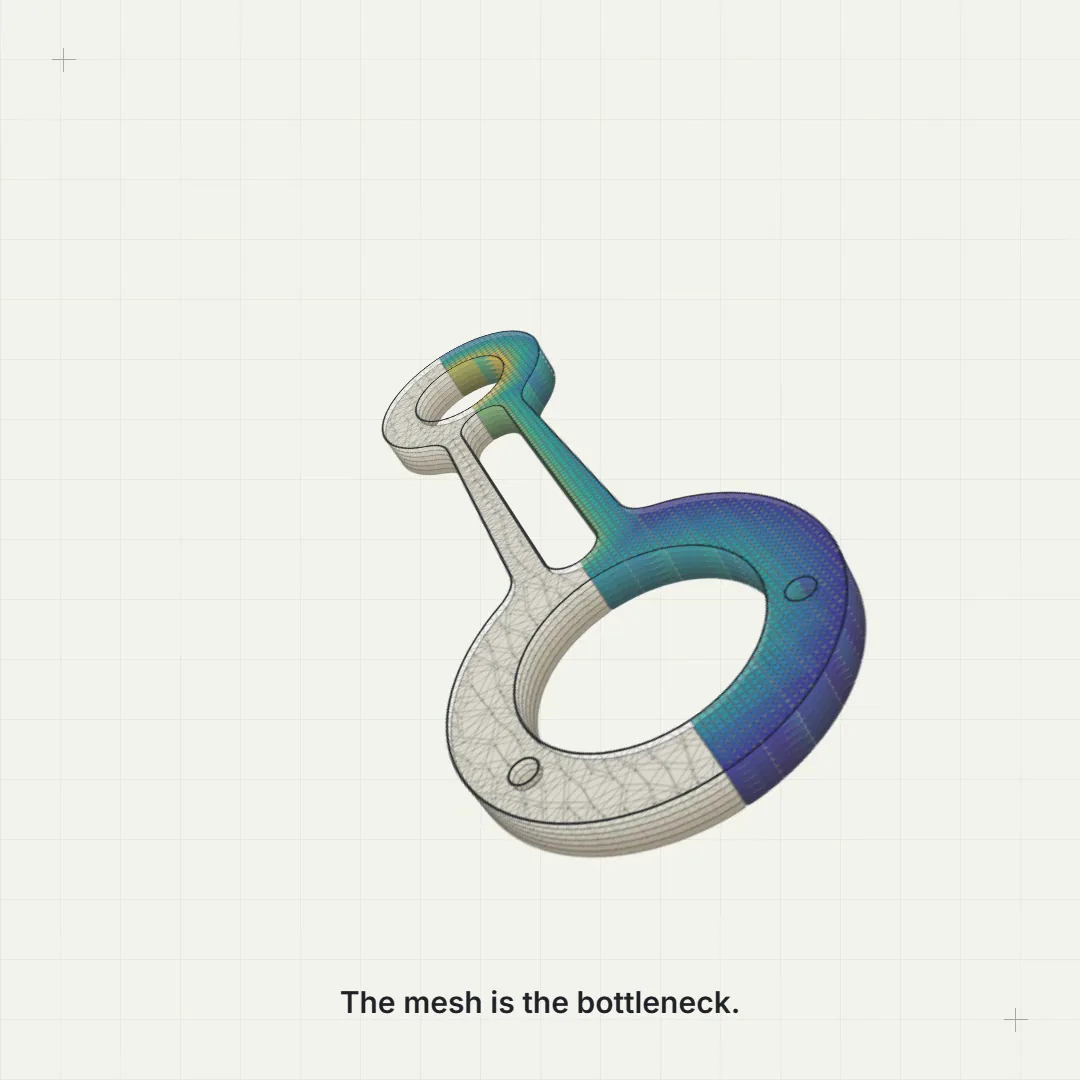
Solving straight from an implicit model skips the step that costs the most and breaks the most often. Iteration gets shorter.
The mesh-free solver runs locally. No cloud, no credits, no queue. Design and iterate on your own hardware without going over budget.
Convergence
Checking the answer
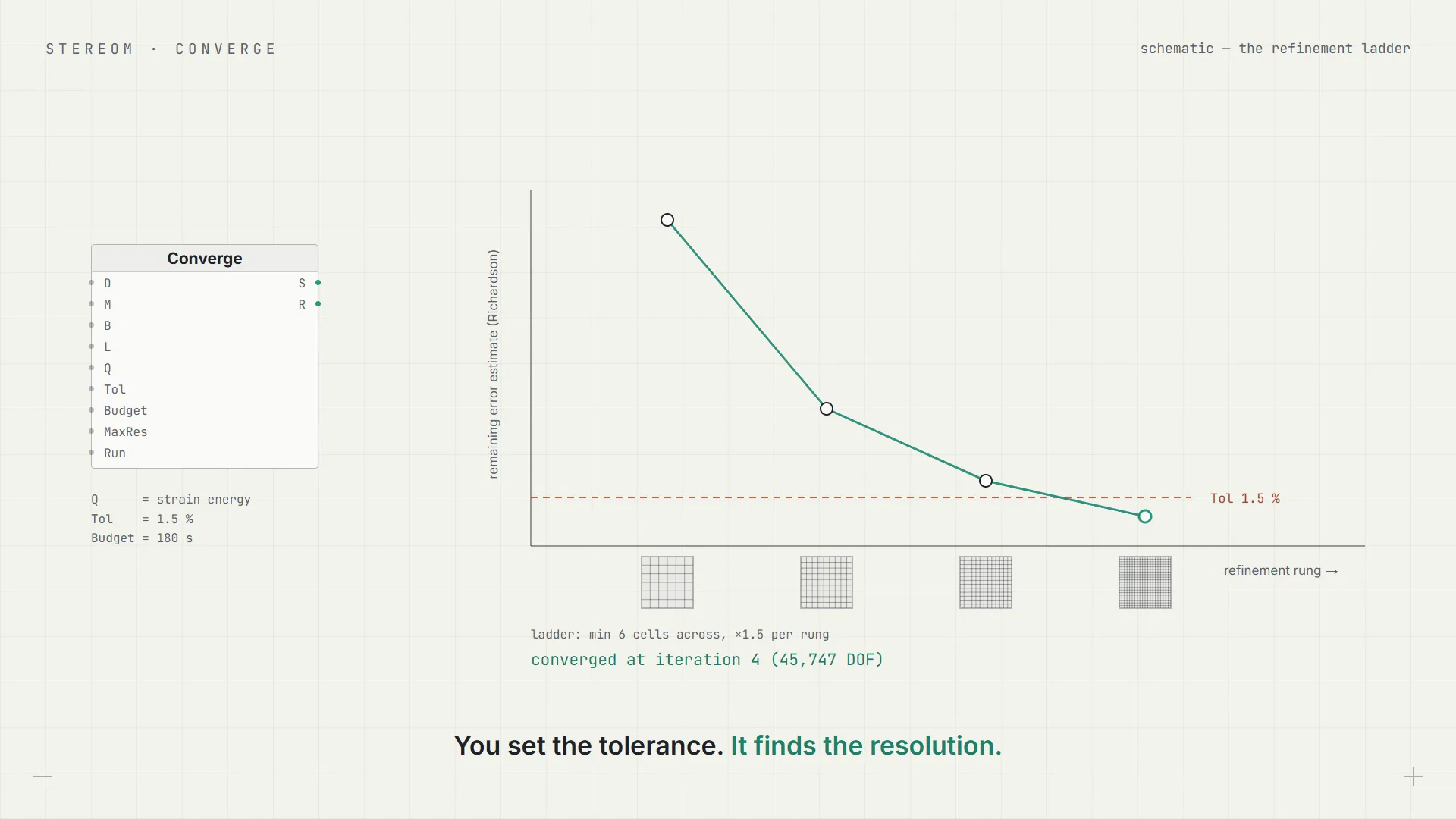
Converge refines the resolution until the outputs settle inside the tolerance you set.
You get the remaining error, not just an answer. A wall-clock budget and a resolution ceiling stop it.
- −4.0% → ~0.2%
- vs CalculiX 2.22 on a gyroid lattice: raw at 182k DOF, then extrapolated
- ~1e-10
- Patch test: a linear field recovered to machine precision
Where it runs
On your machine
The solver runs on your own GPU, with an automatic CPU fallback. Nothing is uploaded and nothing is metered.
Your geometry stays on your workstation, and the only thing between an idea and an answer is how fast you can change the model.
Roadmap
Coming soon
The first release covers static structural analysis, and the functionality built around that type of study.
Future releases target more study types, optimization, computational geometry and automated workflows. Stereom is under active development.
In this build
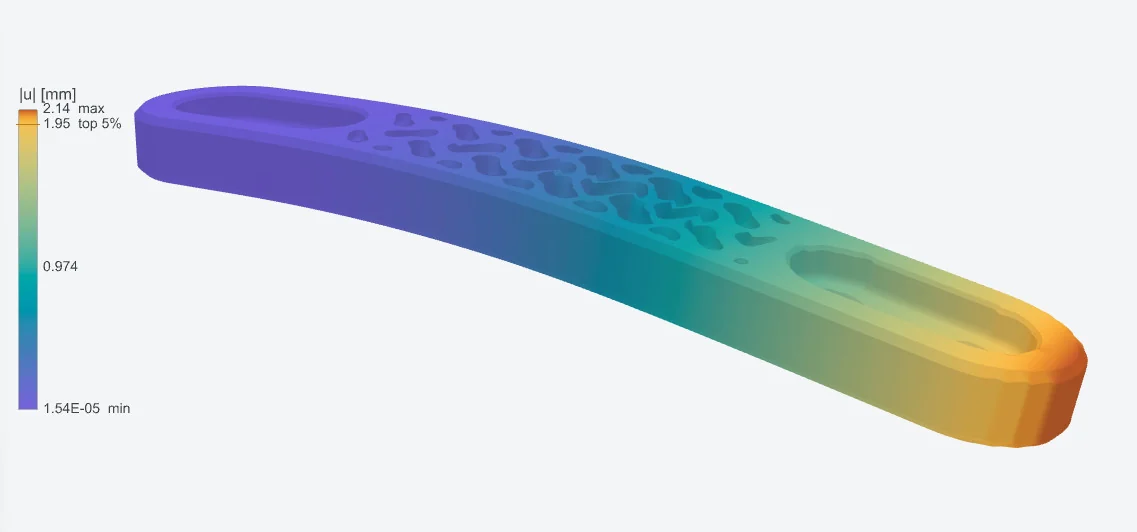
- Linear static stress and displacement
- Implicit solids and lattices
- Isotropic materials, with presets
- Convergence solver with error reporting
- GPU (CUDA), with automatic CPU fallback
- Windows, in Rhino 8
Coming
- Multiple load cases
- Gravity and body loads
- Nonlinear analysis
- Modal and thermal analysis
- Topology optimization
- Field-graded optimization
Not planned: fatigue and as-built defects, the manufacturing effects a nominal-geometry solve cannot see. The full roadmap.
The name
Bio-inspired
Efficient structural lattices are found throughout nature. With advances in additive manufacturing, we can finally mimic them in engineering.
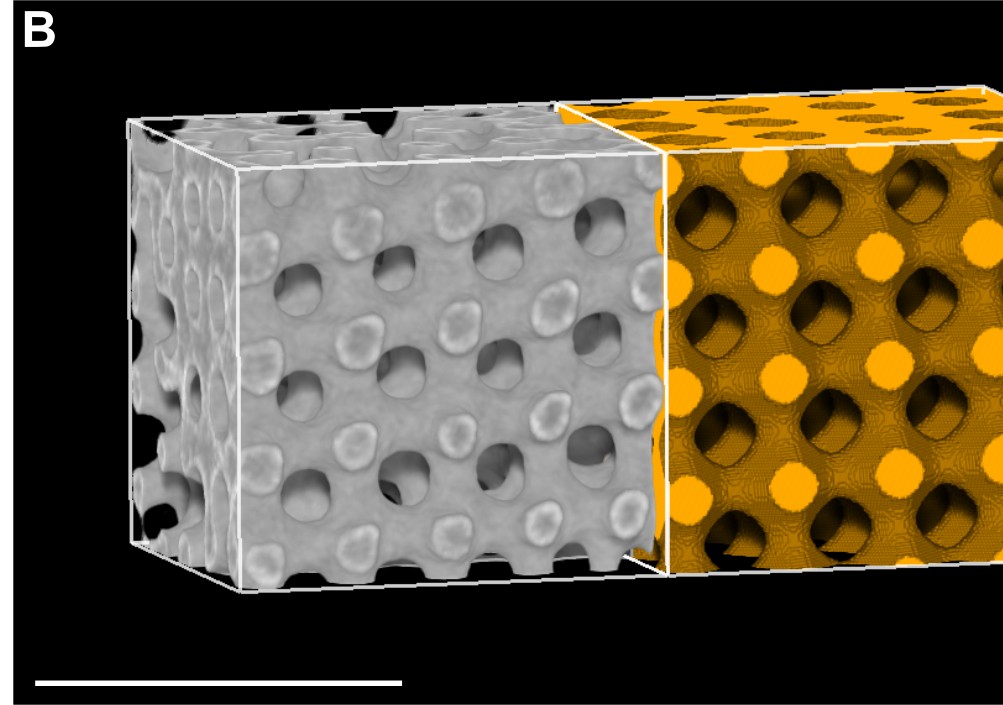
Stereom (STERR-ee-um) is the graded calcite lattice in the skeletons of sea urchins and starfish. The same geometry turns up in a fossil dated to 385 million years. The whole story.
Be first to solve
Core features will be free to use. Sign up now and your free account is made with the same click.